News
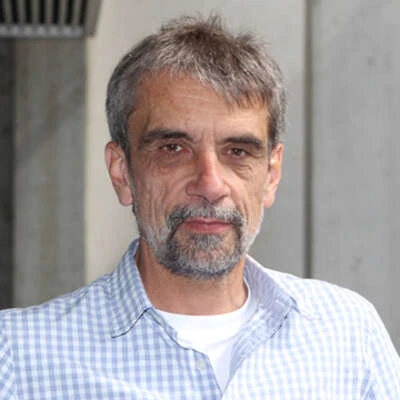
Graham Mainwood Lecture – Dr. Markus A. Rüegg
The University of Ottawa Éric Poulin Centre for Neuromuscular Disease (CNMD) under the co-leadership of Dr. Hanns Lochmüller is delighted to host the 2026 Graham Mainwood Lecture on Friday, October 9th 2:30pm – 3:30pm at the Sprott Centre, Critical Care Wing 5th floor, OHRI, Room 5225. Our guest speaker will be: Dr. Markus A. Rüegg Professor of…
PhD completion – Congratulations!
Congratulations to our two graduate students Dr. Stephen Holland and Dr. Malaichamy Sivasankar on the successful defense of their PhD dissertations! Stephen successfully defended his PhD thesis titled “Understanding the consequences of Glutamine-fructose-6-phosphate transaminase 1 (GFTP1) role in Congenital Myasthenic Syndrome (CMS) and elucidating new therapeutic strategies” on June 11th. Soon after, Malaichamy successfully defended his PhD thesis titled “Solving Undiagnosed…
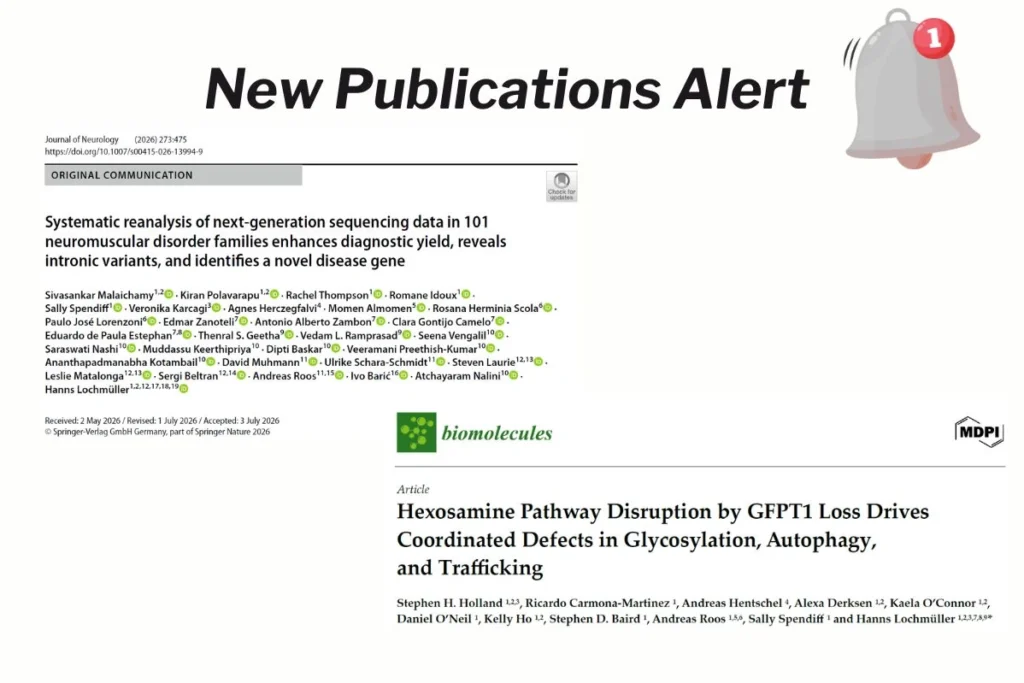
New Publications Alert!
Our group has recently published two new papers with the first providing insights on the impact of GFPT1 loss in cellular models and the second highlighting importance of reanalysis in providing long awaited diagnoses to families with unsolved NMDs. Publication 1: Hexosamine Pathway Disruption by GFPT1 Loss Drives Coordinated Defects in Glycosylation, Autophagy, and Trafficking…
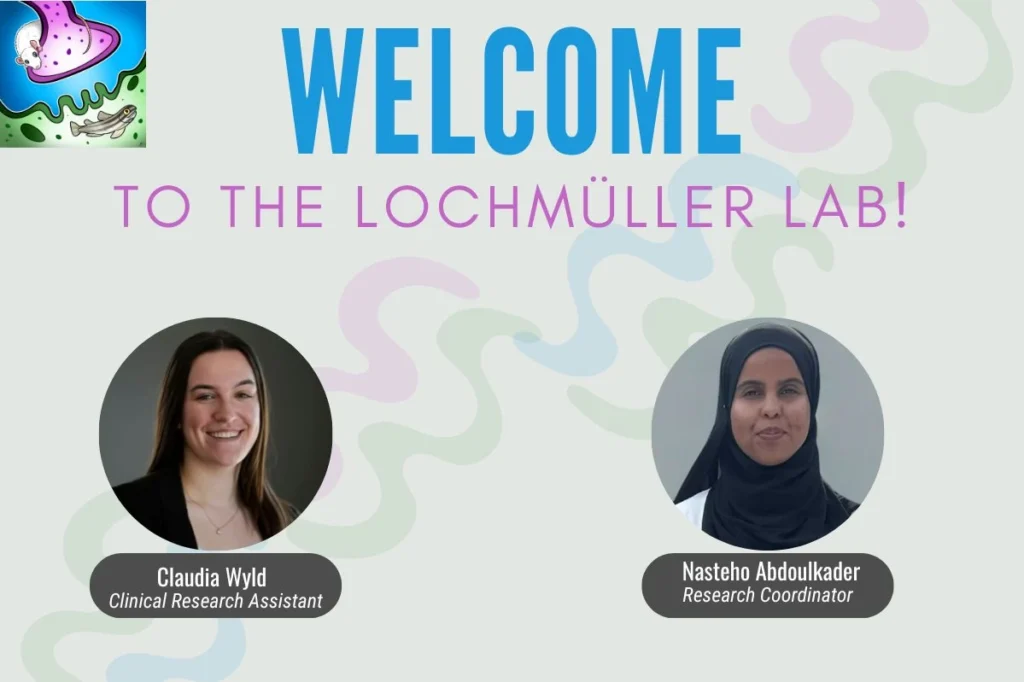
Meet The Lochmüller group’s Newest Members!
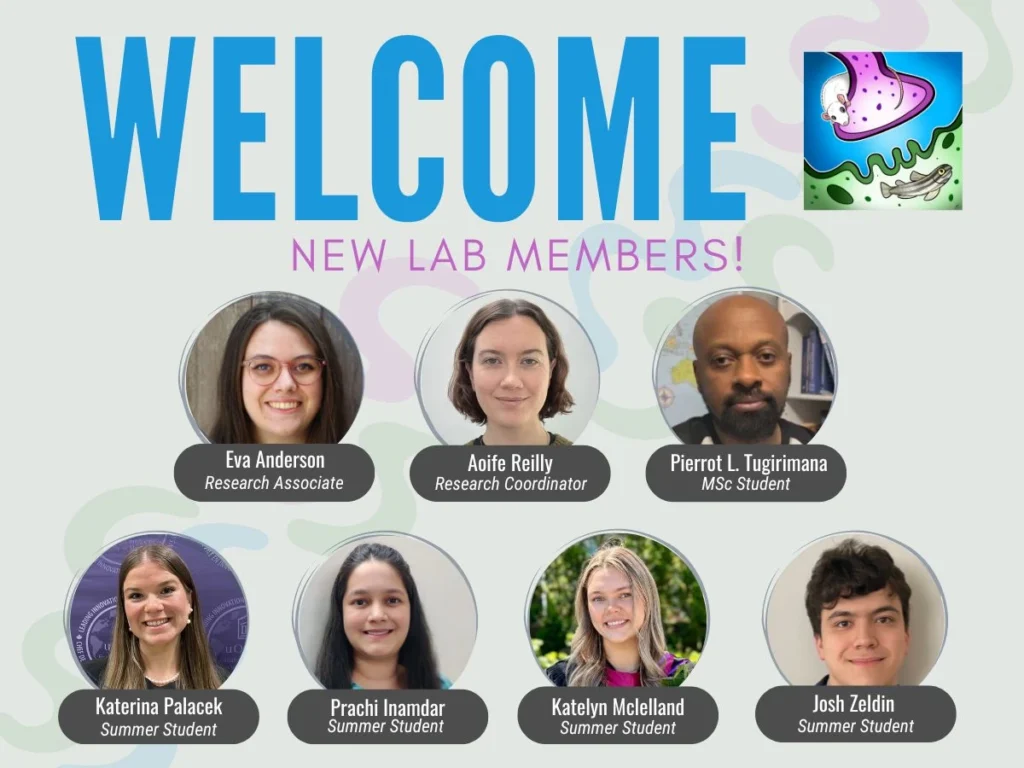
Our group is growing! We are excited to introduce two new members who have recently joined the Lochmüller group. Claudia Wyld Clinical Research Assistant Claudia joined Dr. Lochmüller’s clinical research team in June 2026 as a Clinical Research Assistant. She holds a Bachelor of Health Sciences with a specialization in Population and Public Health from…
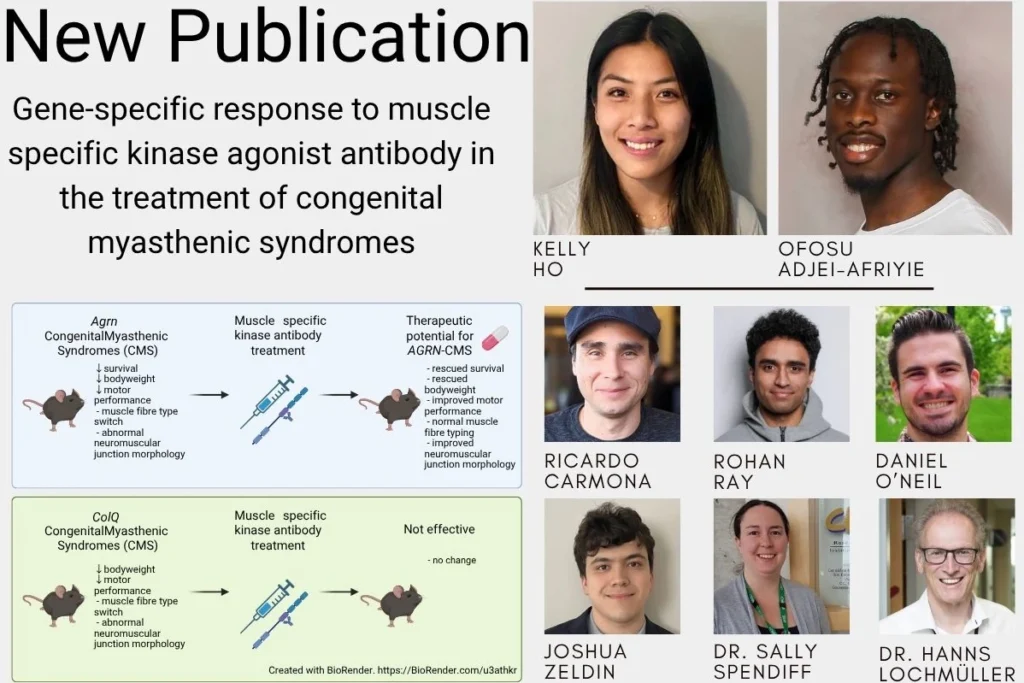
New Publication: Gene-specific response to muscle specific kinase agonist antibody in the treatment of congenital myasthenic syndromes
Congenital myasthenic syndromes (CMS) are a group of rare inherited neuromuscular disorders. Although many forms of CMS appear similar clinically, the disease can be caused by mutations in more than 40 different genes — making accurate genetic diagnosis essential for guiding treatment decisions. A new study from Hanns Lochmüller, PhD student Kelly Ho and recent MSc graduate…
We are recruiting: Postdoctoral Fellow in Rare Disease Bioinformatics
The Polavarapu research group is recruiting a Postdoctoral Fellow in Rare Disease Bioinformatics. Working within a multidisciplinary and collaborative research environment, the postholder will provide computational and bioinformatic expertise to a team working on the integration of genomic, transcriptomic, proteomic, phenotypic, and publicly available datasets for variant interpretation, gene discovery, genotype–phenotype studies, and translational rare…
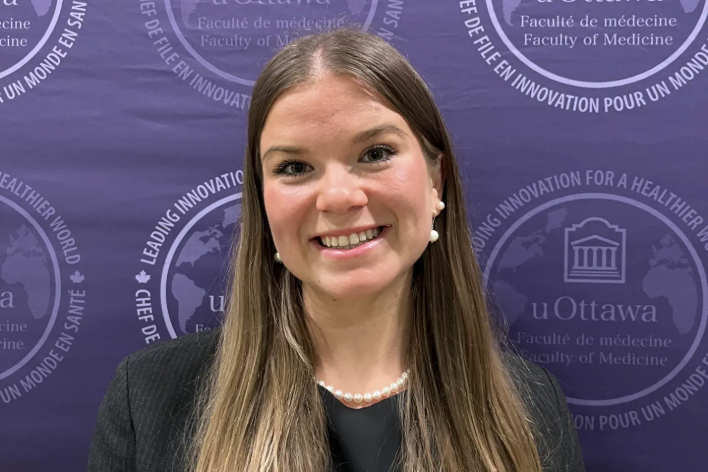
Oral Platform Presentation (Undergraduate) Category Winner!
We are thrilled to share that Katerina was the winner of Undergraduate Category for her presentation titled “Novel gene discovery in congenital myasthenic syndromes using optogenetic zebrafish models” at the 2026 annual Research Day of the Faculty of Medicine, University of Ottawa. For the second year in a row, Katerina impressed the Jury with her presentation skills and her knowledge…
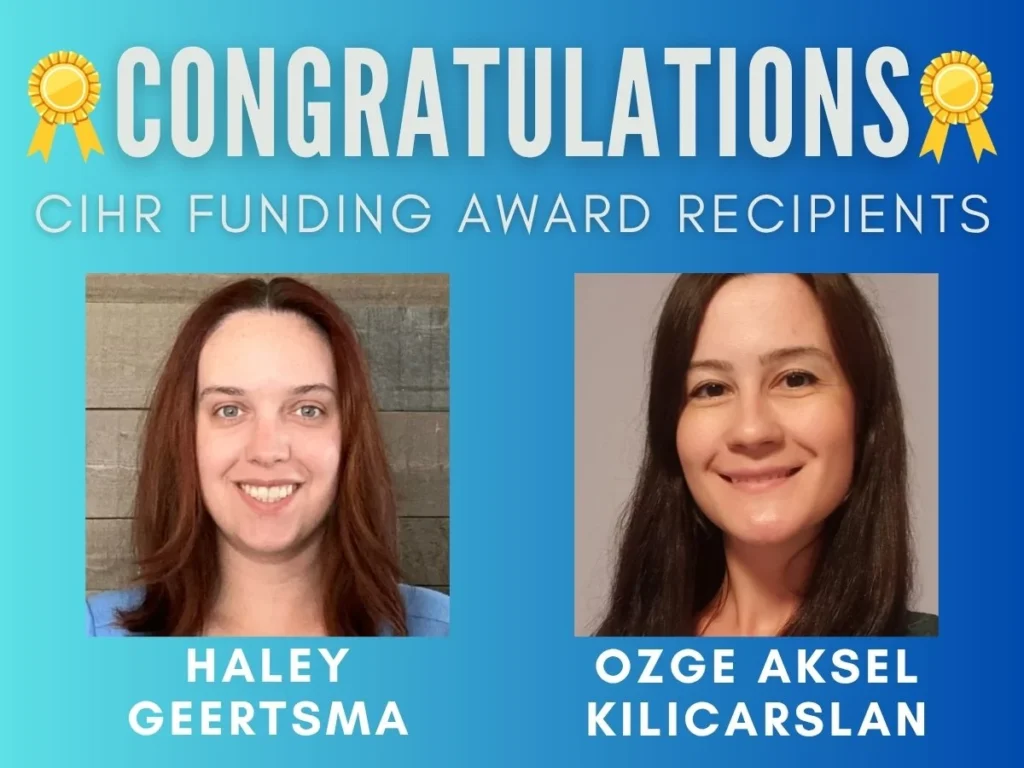
Two Research Lab Members Receive CIHR Funding Awards!
We are excited to share that two of our research team members have received competitive funding awards from the Canadian Institutes of Health Research (CIHR) to support their projects.
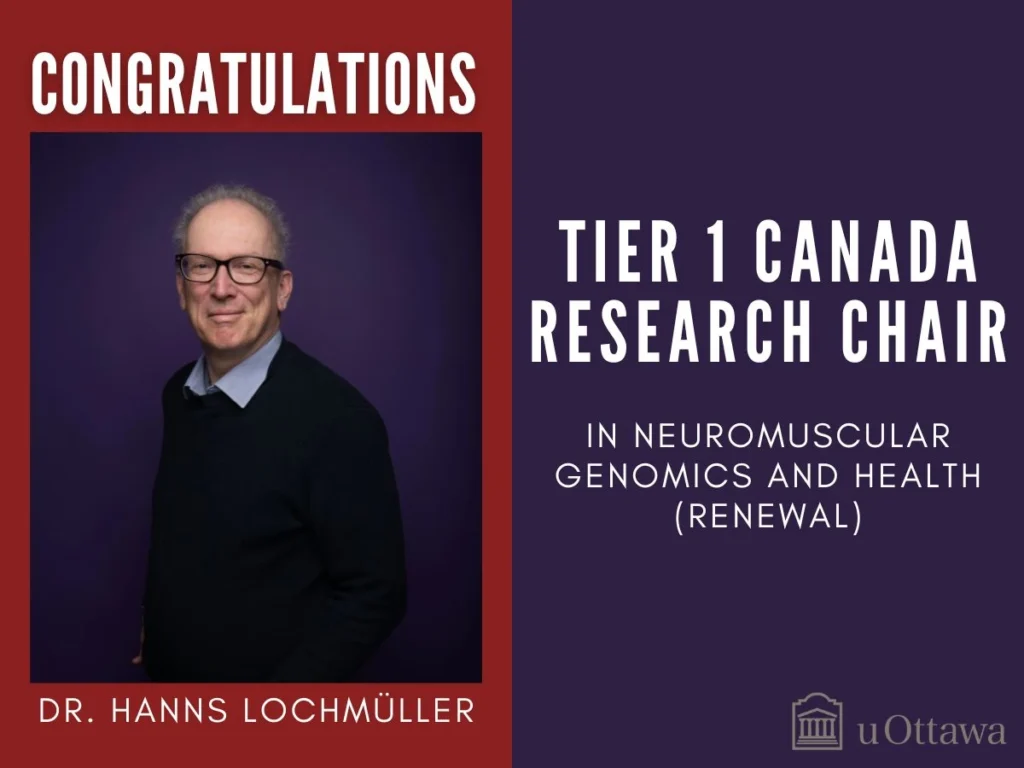
Dr. Hanns Lochmüller’s Canada Research Chair Renewed Through 2032
Dr. Hanns Lochmüller’s Tier 1 Canada Research Chair (CRC) in Neuromuscular Genomics and Health has been renewed through the Tri-agency Institutional Programs Secretariat.
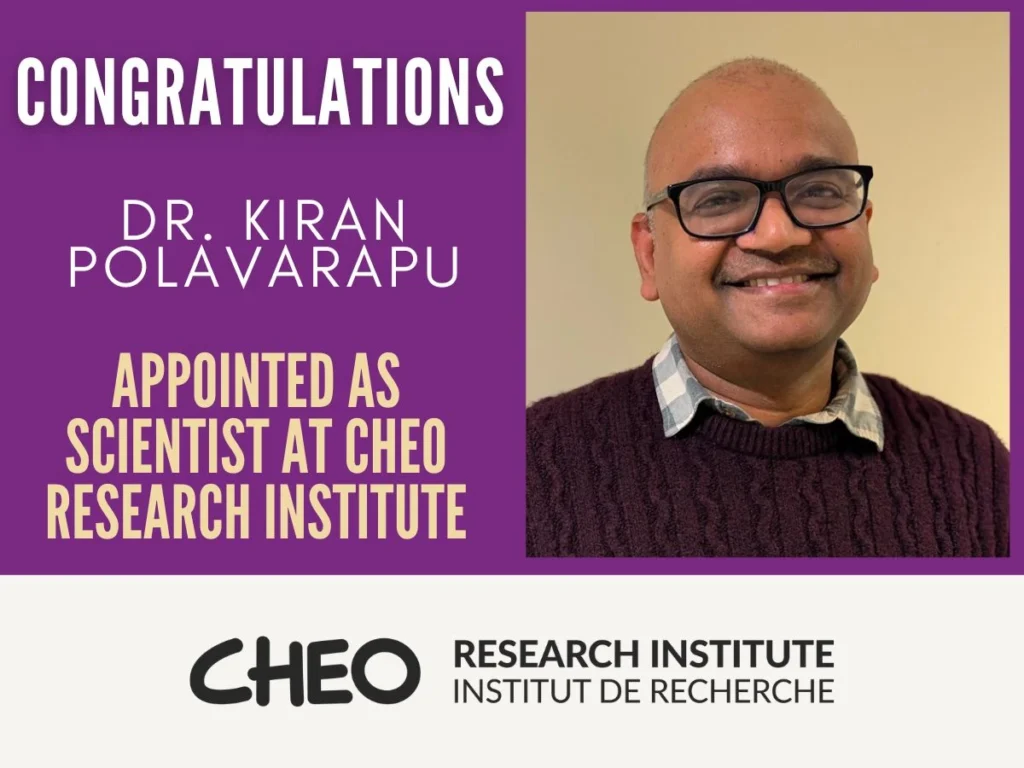
Dr. Kiran Polavarapu Appointed Scientist at the CHEO Research Institute
We are delighted to congratulate Dr. Kiran Polavarapu on his appointment as Scientist at the Children’s Hospital of Eastern Ontario Research Institute (CHEO RI).
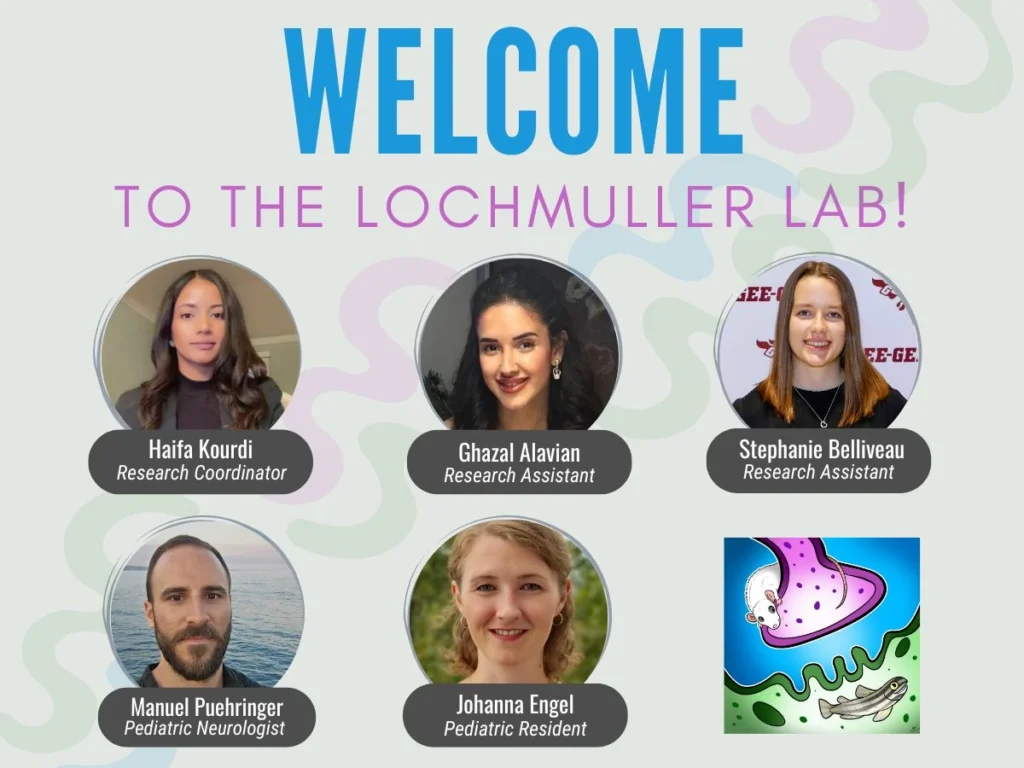
Meet The Lab’s New Clinical Members!
Our research team is growing! We are excited to announce three new research staff who have joined the lab this winter, as well as two visiting physicians.
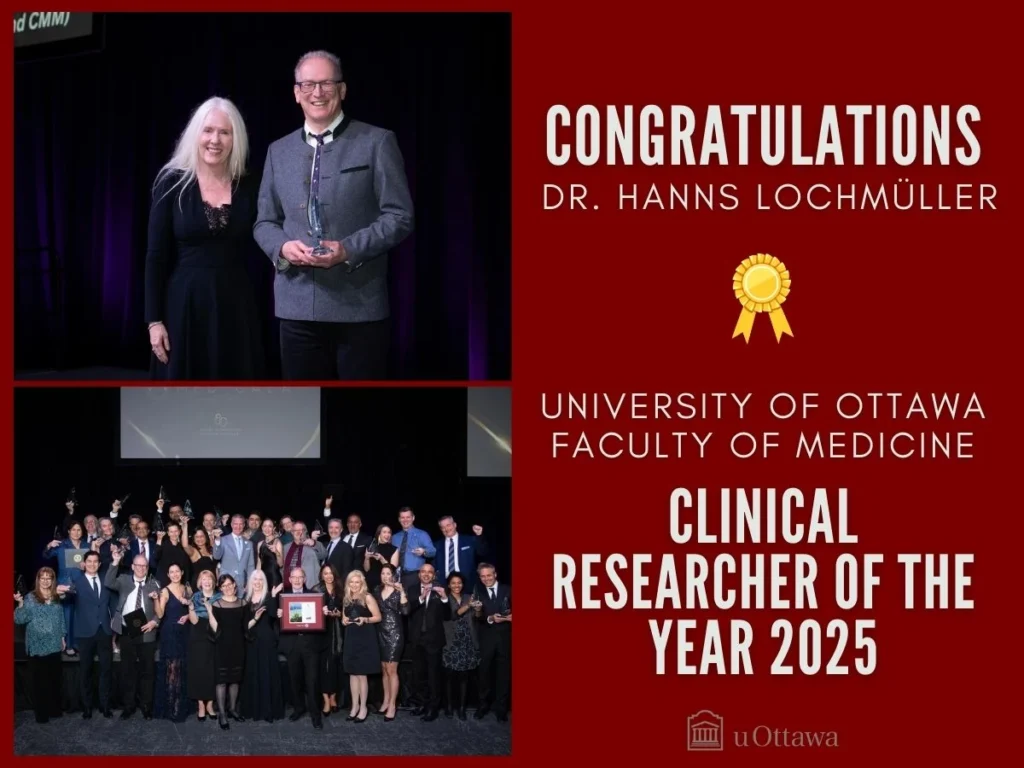
Dr. Hanns Lochmüller Awarded “Clinical Researcher of the Year” by University of Ottawa Faculty of Medicine
We are delighted to announce that Hanns is this year’s winner of the “Clinical Researcher of the Year” award conferred by the University of Ottawa Faculty of Medicine
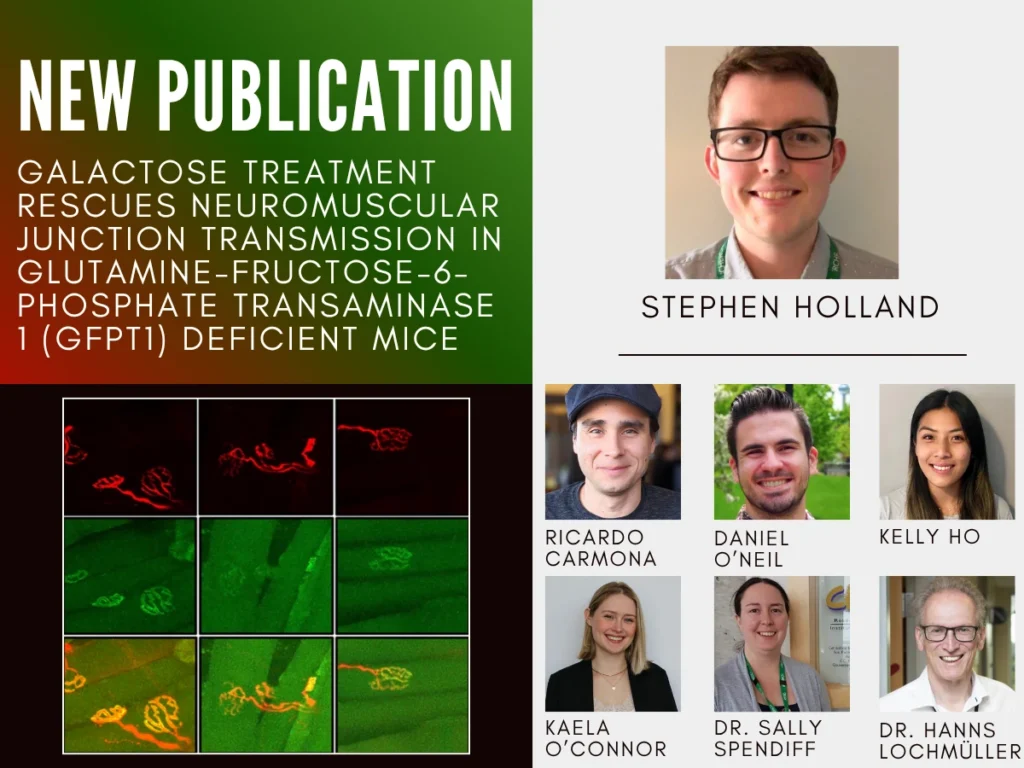
New Publication: Galactose treatment rescues neuromuscular junction transmission in glutamine-fructose-6-phosphate transaminase 1 (Gfpt1) deficient mice
Stephen Holland and colleagues published a new study investigating galactose supplementation as a potential new treatment strategy for GFPT1-CMS.
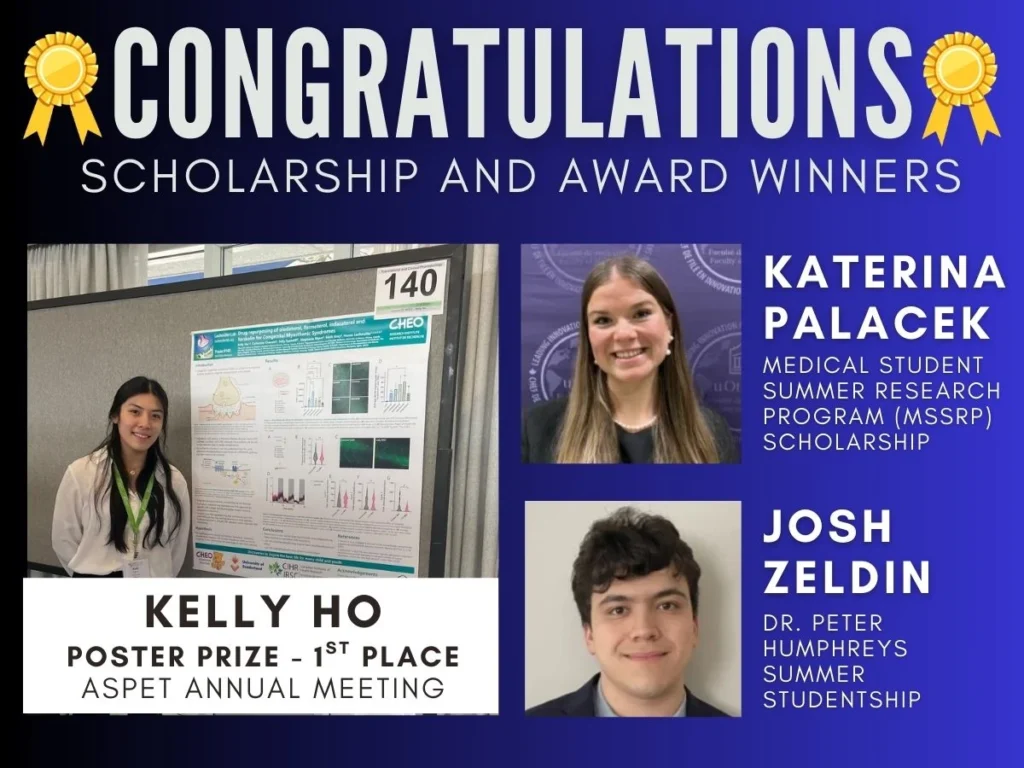
Celebrating Lab Members’ Recent Research Awards
We are proud to celebrate Kelly Ho for receiving first place for her poster presentation at this year’s American Society for Pharmacology and Experimental Therapeutics (ASPET) annual meeting, as well as Katerina Palacek and Josh Zeldin for being awarded summer studentships!